Fiberglass Surface Mat (Surfacing Tissue)
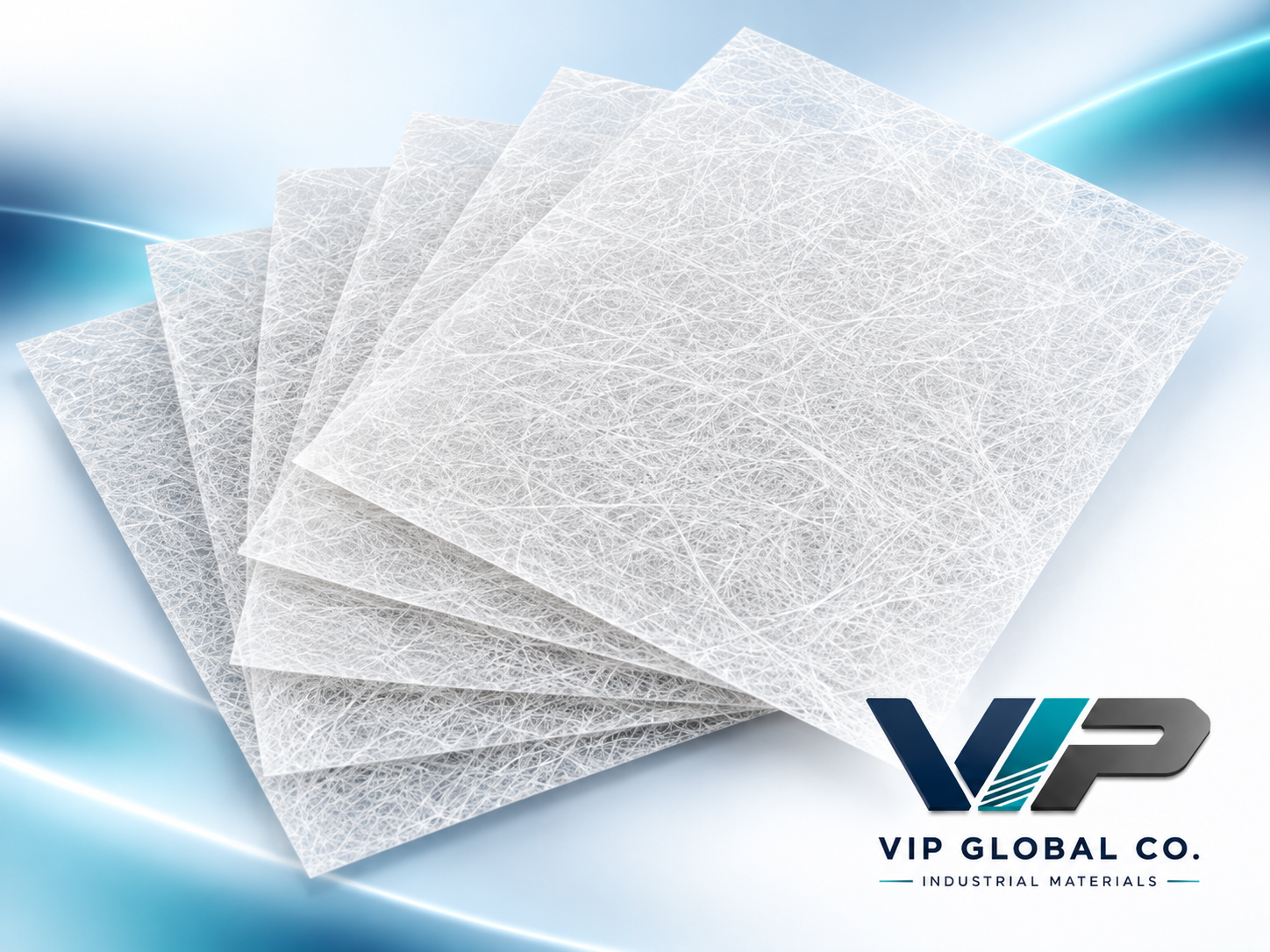
Fiberglass Surface Mat is a thin, fine‑fiber mat designed specifically to improve the surface quality of composite products. It provides a smooth, uniform finish and helps reduce fiber print‑through on the final surface. Surface mat also enhances corrosion resistance, improves UV stability, and increases overall laminate durability. It is typically used as the top layer in composite structures, especially in applications like sanitary products, automotive panels, chemical tanks, and exterior components where a high‑quality appearance and protective surface are essential.
Lightweight surfacing tissue for a smoother, resin-rich finish in FRP and GRP composites.
Fiberglass surface mat, also known as surfacing tissue or glass veil, is a thin nonwoven material placed near the surface of a composite laminate. It complements structural reinforcements such as chopped strand mat and woven roving by helping create a more uniform surface layer. VIP Global Co. supplies surface mat through its sourcing network for industrial composite applications.
What Surface Mat Does
Fine, evenly distributed glass fibres help mask the pattern of coarser reinforcement beneath the surface. When properly impregnated with a compatible resin, the tissue supports a resin-rich layer that can improve the appearance and consistency of the finished part. Its lightweight construction and conformability make it useful around curved surfaces and mould details.
Surface mat serves a different purpose from structural reinforcement. It should not replace the reinforcement required to meet the laminate's mechanical design. Surface quality and durability depend on the complete resin system, laminate construction, processing and curing conditions.
Applications in FRP and GRP
- Inner liners and outer surface layers of appropriately designed FRP and GRP pipes.
- Surface layers in tanks, vessels and other composite components.
- Moulded panels, covers and shaped parts where a more uniform finish is required.
- Selected corrosion-barrier laminates, subject to the resin system and service requirements.
A surfacing tissue can support a resin-rich corrosion barrier, but the finished laminate's chemical resistance must be assessed for the actual medium, concentration, temperature and exposure conditions. ECR glass does not make every finished part suitable for every chemical environment.
Reference Specifications: 30 g/m² Grade
The following values reproduce the supplied product reference. They describe this reference grade and should not be applied to every surface mat available through our network. Final specifications and tolerances are confirmed for the selected product when quoting.
| Specification | Reference value | Unit |
|---|---|---|
| Glass type | ECR | — |
| Mass per unit area | 30 ± 3 | g/m² |
| Tensile strength, lengthwise | 45 ≥ | N/50 mm |
| Tensile strength, crosswise | 15 ≥ | N/50 mm |
| Roll width | 40–2000 | mm |
| Roll length | 5000 > | m |
| Binder content | 6–11 | % |
| Thickness | 0.2 ± 0.03 | mm |
| Binder type | Modified UF | — |
Symbols in the reference-value column are displayed in the same direction as the supplied reference. Confirm the intended acceptance limits and test methods against the selected product's technical data sheet before procurement. Roll width and length are confirmed for the quoted configuration.
Resin Compatibility and Processing
Select the surface mat to suit the resin and production process. Binder chemistry, wet-out behaviour, handling strength and conformability all affect processing. Compatibility with polyester, vinyl ester or epoxy resin should be confirmed for the specific grade; it cannot be assumed from the glass type alone.
During lamination, impregnate the tissue evenly and remove trapped air while avoiding tearing or displacement. For pipe liners or chemical-contact surfaces, follow the qualified laminate design and the resin supplier's processing recommendations.
Roll Configuration, Packaging and Storage
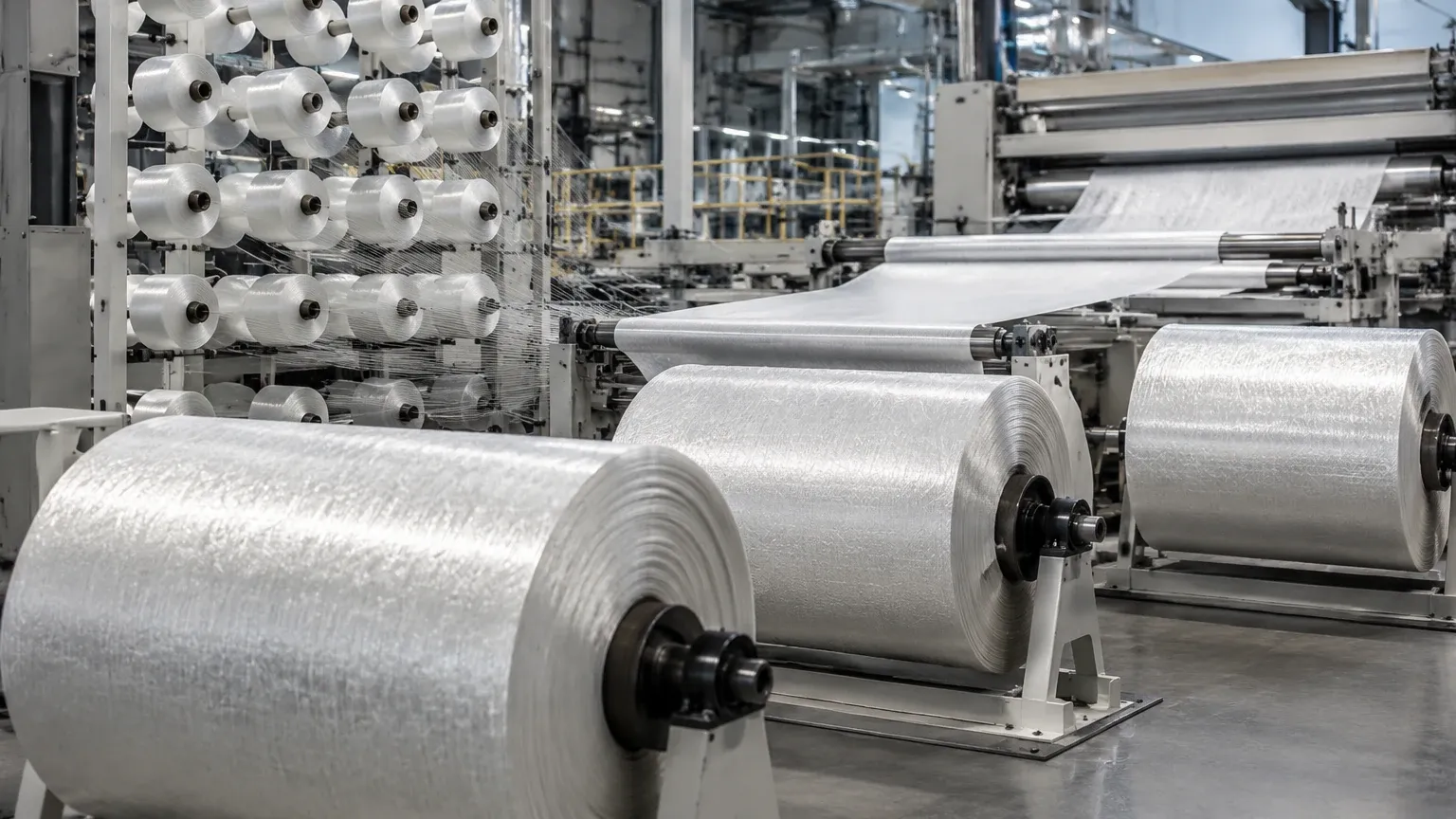
The supplied reference describes rolls wound on 3-inch cardboard cores, packed in cartons and palletised with protective wrapping. Confirm the core size, roll dimensions and packaging for each order. Store the material dry in its original packaging, protected from moisture and contamination, and follow the applicable handling and storage instructions.
Supply and Technical Selection
To help us identify a suitable surface mat, share your application, resin system, required area weight, roll width, quantity and delivery destination. For chemical-contact applications, include the operating conditions and relevant laminate requirements. Our team can coordinate sourcing, available technical documentation, packaging and shipping options. Product availability, specifications and delivery terms are confirmed with each quotation.