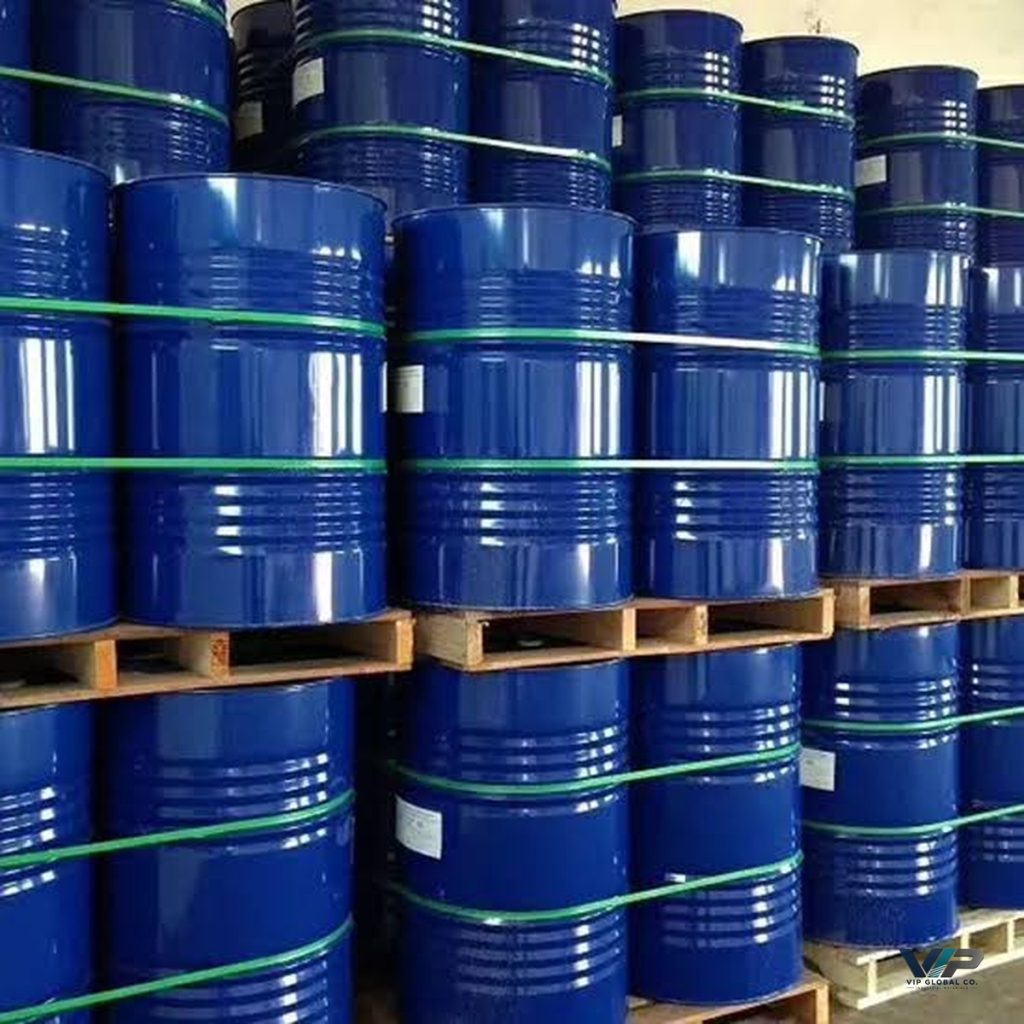
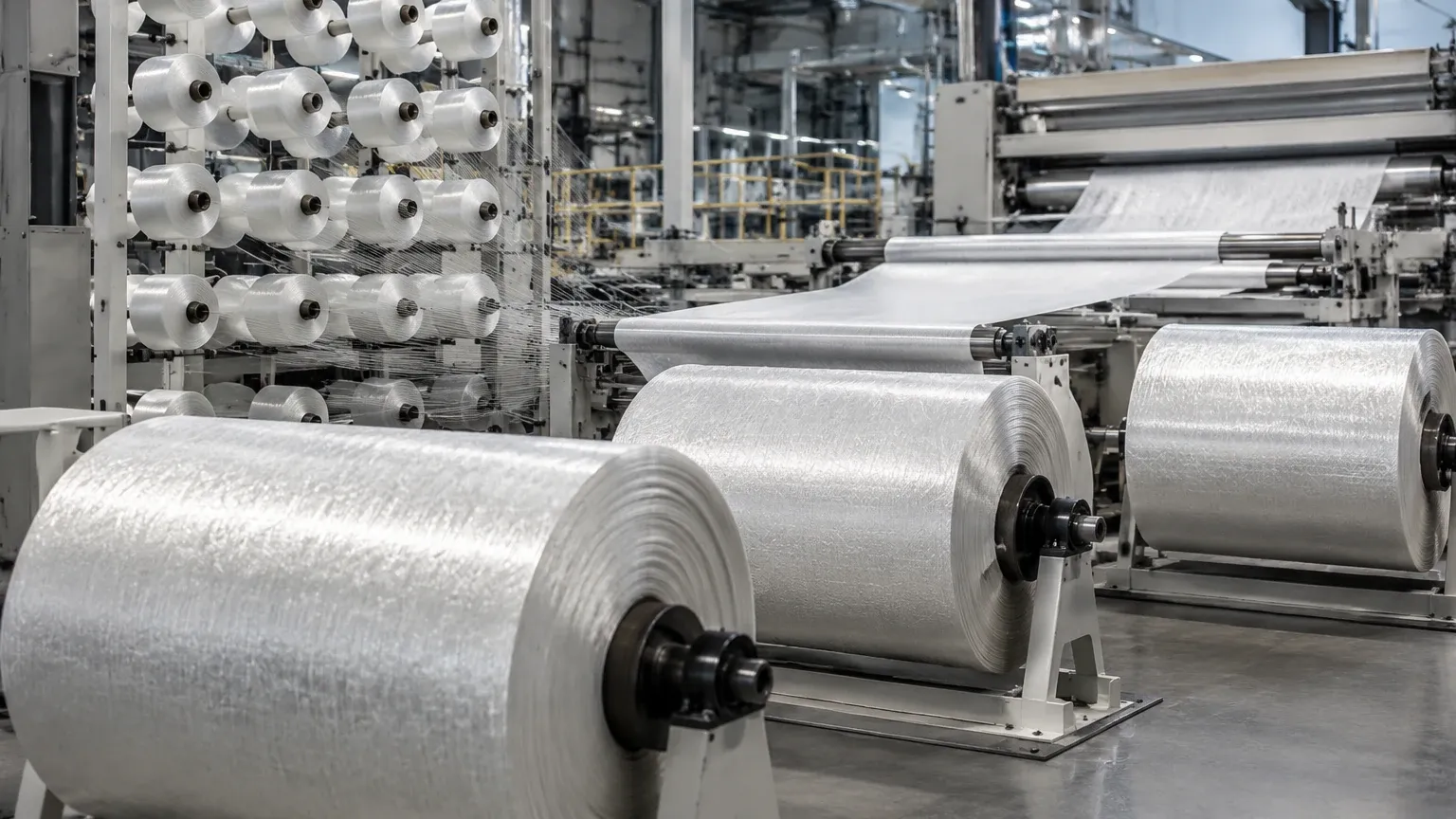
Vinyl Ester Resin
Resins for Demanding Industrial Applications
In a composite product, resin does more than bind the reinforcement. Its selection affects chemical resistance, durability in contact with water and performance under operating conditions. For many industrial components exposed to corrosion or demanding environments, vinyl ester resin is an important option to evaluate.
The right choice begins with understanding the project’s actual service conditions. A resin family name alone is not enough to establish suitability: the grade, manufacturing process and operating environment must be assessed together.
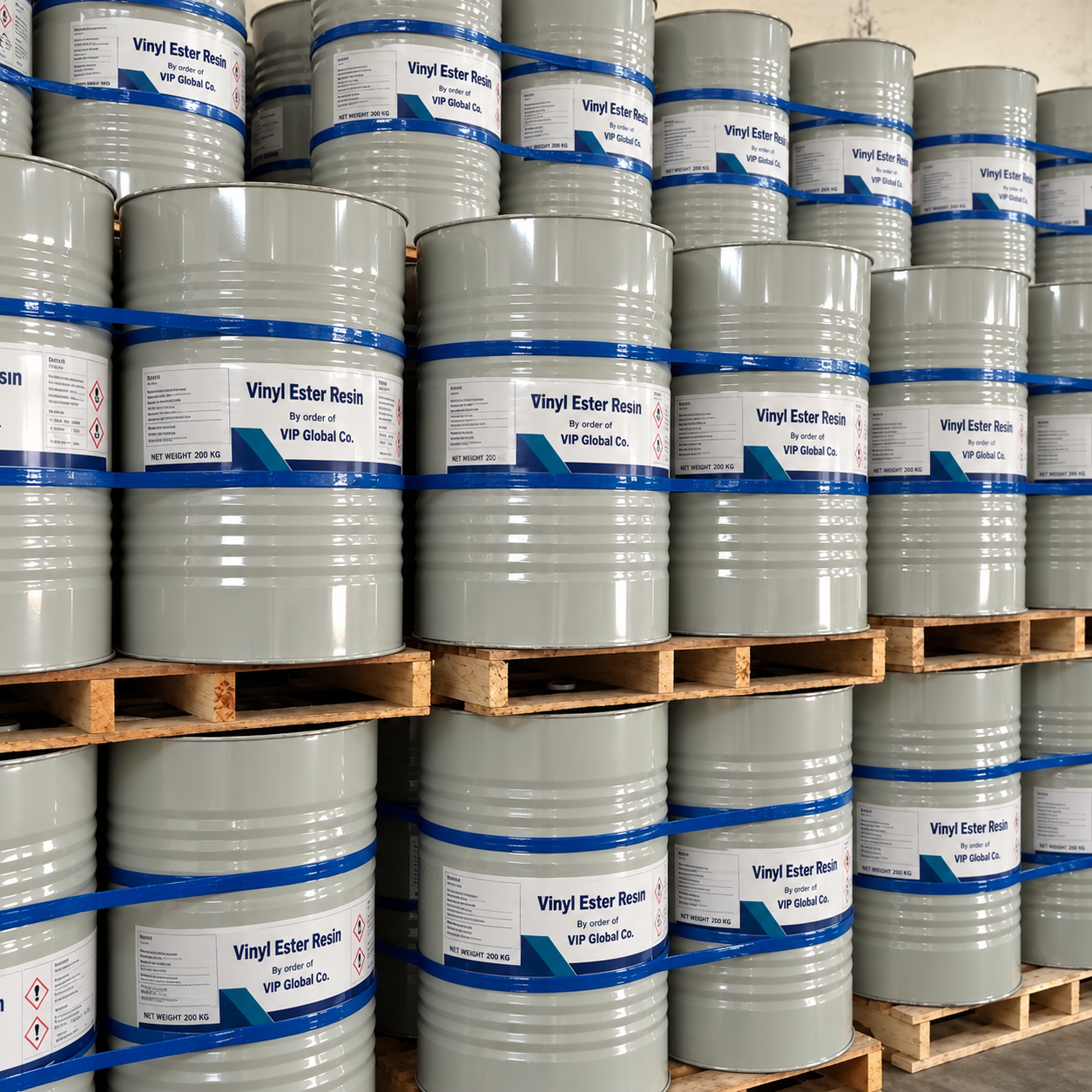
Bisphenol A Vinyl Ester
This family is considered for a wide range of industrial applications and corrosion-resistant equipment. Appropriate grades may be suitable for tanks, pipes and composite components in contact with specified fluids, provided the application is supported by the manufacturer’s chemical resistance guidance.
Novolac Vinyl Ester
Novolac grades are generally designed for more demanding thermal and chemical conditions. Selection must be based on the operating environment and the specific product’s data. Novolac is not automatically the best choice for every project.
What Is Vinyl Ester Resin?
Vinyl ester resins commonly used in composites are based on modified epoxy structures. Suitable grades can provide a combination of chemical resistance, toughness and thermal performance for FRP and GRP equipment.
These characteristics make vinyl ester relevant where corrosion-related failure, operational downtime or difficult repairs are important considerations. Final performance still depends on selecting an appropriate grade and achieving consistent fabrication quality.
Vinyl Ester versus Polyester Resin
Orthophthalic and isophthalic polyester resins cover a broad range of composite manufacturing needs. For some more demanding conditions, vinyl ester is evaluated for the properties offered by corrosion-resistant grades and their toughness.
A professional selection does not mean using vinyl ester in every application. If an appropriate polyester grade meets the project requirements, changing resin families may be unnecessary. The key criterion is whether the material’s specifications match the product’s service conditions.
Industrial Applications
Depending on the resin grade and equipment design, vinyl ester may be used in:
- Tanks and equipment for chemical storage and processing;
- FRP/GRP pipes and fittings in corrosive environments;
- Scrubbers, ducts and pollution-control equipment;
- Industrial components exposed to moisture and demanding environmental conditions;
- Selected composite structures and components with defined mechanical requirements.
Compatibility must be confirmed for the actual service environment. Descriptions such as “acid-resistant” are not sufficient without identifying the acid, concentration and operating temperature.
Fabrication Quality Matters as Much as Resin Selection
Even an appropriate resin may fail to deliver the expected performance if fabrication is inadequate. Reinforcement wet-out, control of air bubbles and voids, corrosion-barrier construction and compliance with the curing instructions all influence equipment quality.
Post-curing requirements, where applicable, must follow the instructions for the specific resin grade. The heat deflection temperature stated in a data sheet is not, by itself, the allowable service temperature of equipment operating in a chemical environment.
Information Required for Grade Selection
A detailed technical inquiry should include:
- End use: the component, tank, pipe or equipment being manufactured;
- Contact environment: chemical names, concentrations and any mixtures;
- Operating temperature: normal conditions and the maximum expected temperature;
- Exposure: continuous or intermittent contact, including cleaning cycles;
- Manufacturing process: hand lay-up, spray-up, filament winding or another process;
- Technical requirements: project standards, customer specifications and required approvals;
- Order requirements: quantity, packaging and delivery destination.
This information helps compare sourcing options against the project’s actual needs rather than relying on a brand name or resin price alone.
Resin Supply through VIP Global Co.
At VIP Global Co., we can source and arrange shipment of various resin types, including vinyl ester and polyester resins, through our commercial partners in Iran or our representative office in the United Arab Emirates.
To review sourcing options and receive an offer, please send us the application details, required grade or technical specifications, order quantity and delivery destination. Availability, lead time and shipping arrangements are reviewed and confirmed for each product and destination.