Fiberglass Woven Roving
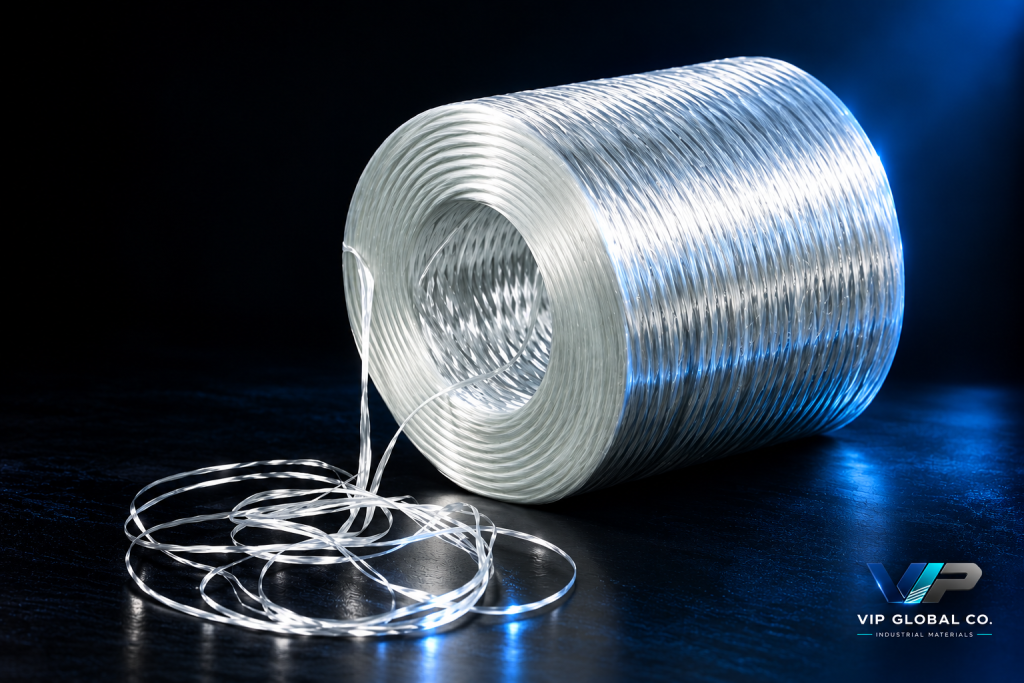
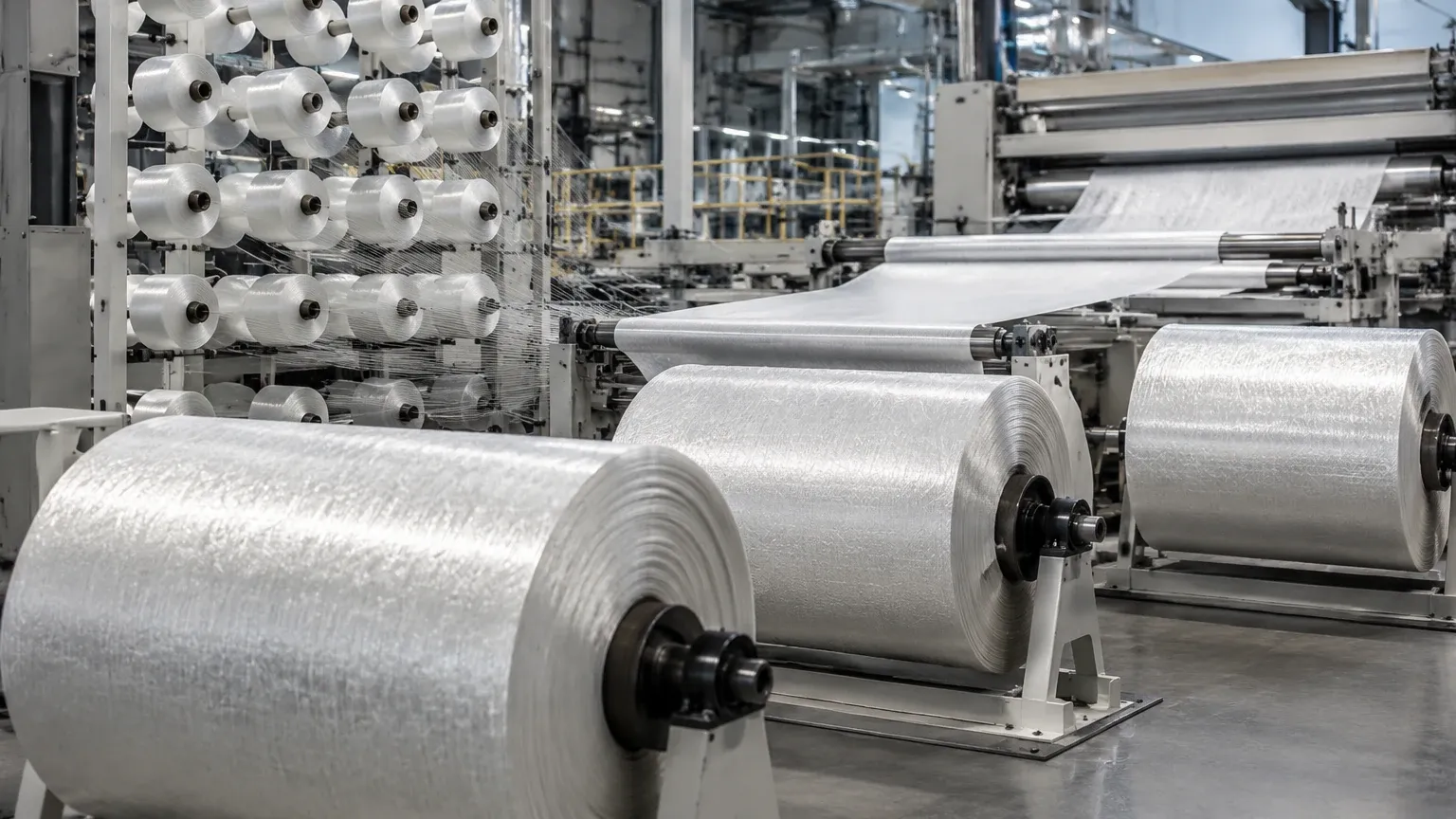
Fiberglass Woven Roving is a bidirectional reinforcement produced by weaving continuous glass rovings in the warp and weft directions. Its balanced construction provides good tensile strength, impact resistance and efficient laminate build-up. It is commonly used with polyester, vinyl ester and compatible resin systems in hand lay-up and other open-mould processes for tanks, pipes, panels, marine parts and structural FRP components. The appropriate areal weight and construction should be selected according to the required laminate design and processing method.

Bidirectional Glass-Fiber Reinforcement
Woven roving is produced by interlacing continuous glass rovings in the warp and weft directions. The plain-weave grades listed below provide reinforcement along two principal directions and are suitable for laminate designs requiring substantial glass content and efficient thickness build-up. They differ from chopped strand mat, which uses randomly distributed short strands.
A uniform weave supports handling and dimensional stability. Resin impregnation, drapability and finished-part strength depend on the selected fabric, sizing, resin and consolidation process. Final tensile, impact and fatigue performance must be established for the complete laminate rather than inferred from fabric weight alone.
Resin Compatibility and Processing
Suitable grades are available for unsaturated polyester, including orthophthalic and isophthalic systems, vinyl ester and epoxy resins. Confirm compatibility with the sizing and technical data sheet for the exact product offered.
Woven roving is commonly used in hand lay-up. Selected grades can also suit compression moulding or automated processes. Keep the fabric aligned with the intended load directions, impregnate each layer thoroughly and remove trapped air. Coarse woven reinforcement can leave a visible surface pattern; where a smooth finish or corrosion barrier is required, specify the appropriate surface veil, mat or barrier-layer system.
Typical Applications
- Boat hulls, decks and marine components
- FRP tanks, pipe joints and suitably designed structural components
- Panels, automotive parts and industrial enclosures
- Sports equipment and selected wind-energy components, where the laminate specification permits this reinforcement
For pressure-containing, safety-critical or corrosive-service parts, reinforcement selection must follow the applicable design requirements and qualified laminate specification.
Plain-Weave Reference Specifications
The following table reproduces the supplied product specifications. These reference codes identify the listed grades; the selected manufacturer, availability and shipment specifications are confirmed at quotation.
| Reference code | Glass type | Weave | Area weight (g/m²) | Roll width (cm) | Roll net weight (kg)* | Roll length (m)* |
|---|---|---|---|---|---|---|
| EWR-200 | E-glass | Plain | 200 ± 13 | 10–300 | 40 | 200 |
| EWR-300 | E-glass | Plain | 300 ± 15 | 10–300 | 40 | 133 |
| EWR-400 | E-glass | Plain | 400 ± 20 | 10–300 | 40 | 100 |
| EWR-600 | E-glass | Plain | 600 ± 30 | 10–300 | 40 | 66 |
| EWR-800 | E-glass | Plain | 800 ± 40 | 10–300 | 40 | 50 |
*The reported roll weights and lengths are based on a nominal width of 1,000 mm (100 cm). They do not apply to every width in the 10–300 cm range. Lengths are nominal reference values and may be rounded. Area-weight tolerances are expressed in g/m², not percentages. Confirm the selected width, length and net weight before ordering.
Selection, Storage and Supply
Select area weight and width according to the laminate schedule, mould geometry, required glass content and production method. Store rolls dry and protected from contamination, keeping them in their original packaging until use. Follow the selected manufacturer’s storage and shelf-life instructions.
VIP Global Co. supplies woven roving through its sourcing network. Send your required area weight, fabric width, resin system, quantity and delivery destination so we can confirm the appropriate product, technical specifications, availability and shipping terms.